Autor: Huirui
Datum: Apr 22, 2026
Vrste stolova: objašnjene sklopive, plastične i vanjske mogućnosti
Stolovi se dijele u nekoliko širokih kategorija na temelju njihove strukture, materijala i namjene: blagovaonski stolovi, stolovi za kavu, radni i pomoćni stolovi, sklopivi stolovi i vanjski stolovi. Za kupce kojima je prioritet svestranost, prenosivost i vrijednost, sklopivi stolovi — posebno plastični sklopivi stolovi — najpraktičniji su izbor za sve namjene , sposoban služiti događajima u zatvorenom prostoru, okupljanjima na otvorenom, učionicama, uredima i potrebama kućnog skladištenja. Razumijevanje razlika između vrsta pomaže vam da uskladite pravu tablicu s vašim određenim postavkama i proračunom.
Glavne vrste tablica i za što se koriste
Stolovi su dizajnirani za specifične funkcije, a kategorija kojoj stol pripada oblikuje sve, od njegove visine i veličine do materijala i strukture nogu. Ovdje je pregled najčešćih vrsta:
Blagovaonski stolovi
Blagovaonski stolovi dizajnirani su za sjedeći obrok i obično stoje na standardnoj visini od 28–30 inča (71–76 cm) . Dolaze u pravokutnom, okruglom, ovalnom i kvadratnom obliku, u rasponu od kompaktnih stolova za 2 osobe (oko 24 × 36 inča) do velikih proširenja za 12 ili više sjedećih mjesta. Materijali uključuju puno drvo, konstruirano drvo, staklo, mramor i metal.
Stolići za kavu i akcenti
Stolići za kavu su niski - obično 16-18 inča (40-46 cm) visok — ispred sofa u dnevnim sobama. Pomoćni stolići i krajnji stolići su akcenti postavljeni pored namještaja za sjedenje. Tablice za ugniježđivanje su kompaktna varijanta: skupovi od 2-4 tablice koje se slažu jedna ispod druge radi pohrane.
Radni, stolni i pomoćni stolovi
Dizajnirani za obavljanje zadataka, a ne za estetiku, oni uključuju uredske stolove, radne stolove, stolove za crtanje i podesive stolove za stajanje. Visine se često kreću od 28 do 48 inča, a neki stojeći stolovi dosežu 50 inča. Oni daju prednost površini, nosivosti i trajnosti.
Sklopivi stolovi
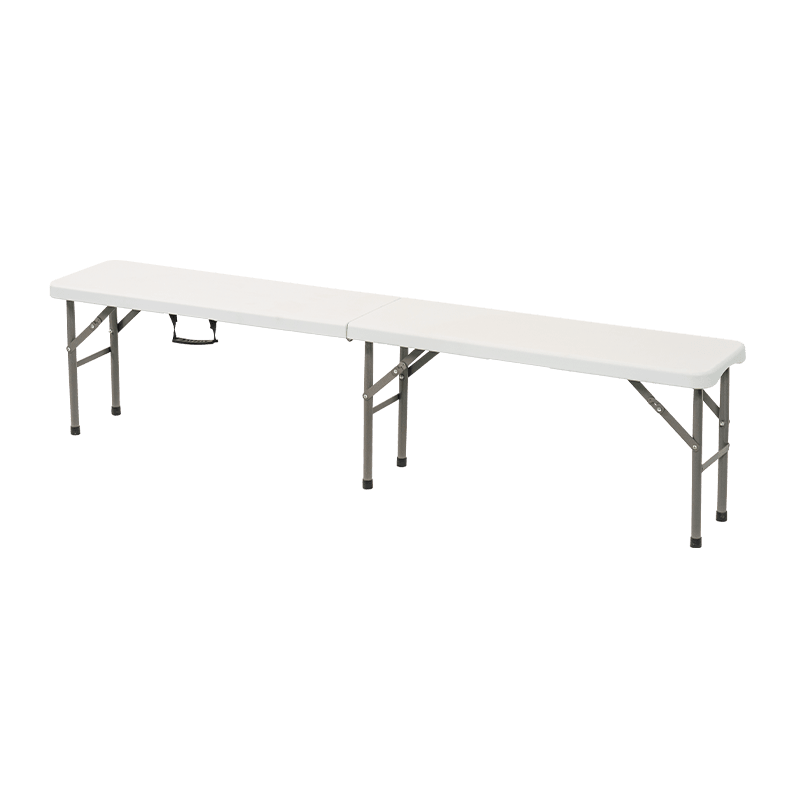
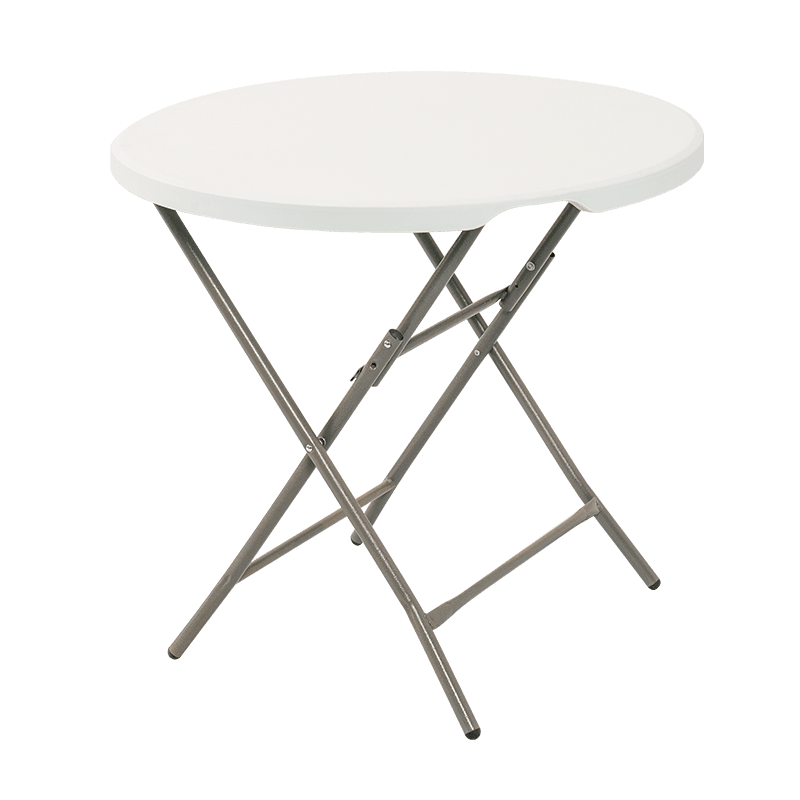
Sklopivi stolovi imaju noge koje se spuštaju uz ploču stola za kompaktno skladištenje i transport. Oni su pravi izbor za događaje, catering, škole, društvene centre i kućanstva kojima je potreban dodatni prostor na zahtjev. Dostupni su u drvu, čeliku, aluminiju i plastici — s plastičnim sklopivim stolovima koji su globalno najpopularnija varijanta.
Vanjski stolovi
Stolovi za vanjsku upotrebu izrađeni su od materijala otpornih na vremenske uvjete kao što su tikovina, aluminij premazan prahom, smolasto pruće i plastika od polietilena visoke gustoće (HDPE). Oni uključuju stolove za blagovanje na terasi, stolove za piknik, stolove za bistroe i prijenosne stolove za kampiranje. Definirajući zahtjev je otpornost na vlagu, UV zračenje i temperaturne fluktuacije.
Barski i protuvisinski stolovi
Barski stolovi stoje na 40–42 inča (101–107 cm) visoki i koriste se s barskim stolicama. Stolovi s protuvisinom nalaze se okolo 34–36 inča (86–91 cm) . Česti su u kuhinjama, barovima, restoranima i ležernim objedovanjima.
Sklopivi stolovi: Types, Sizes, and Best Uses
Sklopivi stolovi nisu jedan proizvod — oni čine raznoliku kategoriju s nekoliko različitih podvrsta, od kojih je svaka optimizirana za različite kontekste. Odabir odgovarajuće vrste sklopivog stola može značajno utjecati na vrijeme postavljanja, udobnost korisnika, nosivost i otisak prostora za pohranu.
Sklopivi stolovi za bankete
Najčešće korištena vrsta sklopivog stola u komercijalnim okruženjima i događanjima. Standardne veličine su 4 stope (48 × 24 inča), 6 stopa (72 × 24 ili 30 inča) i 8 stopa (96 × 30 inča) . Za stolovima za bankete sjedi 2-3 osobe na 4 stope, 4-6 na 6 stopa i 6-8 na 8 stopa kada su postavljeni s obje strane. Koriste se za vjenčanja, konferencije, bankete, prikupljanje sredstava i uređenje učionica.
Okrugli sklopivi stolovi
Okrugli sklopivi stolovi promoviraju razgovor licem u lice i standardni su na vjenčanjima i formalnim događajima. Uobičajeni promjeri su 48 inča (sjedala 4–5), 60 inča (sjedala 6–8) i 72 inča (sjedala 8–10) . Obično imaju središnji mehanizam za noge koji se sklapa na pola za ravno pohranjivanje.
Sklopivi stolovi za karte i koktele
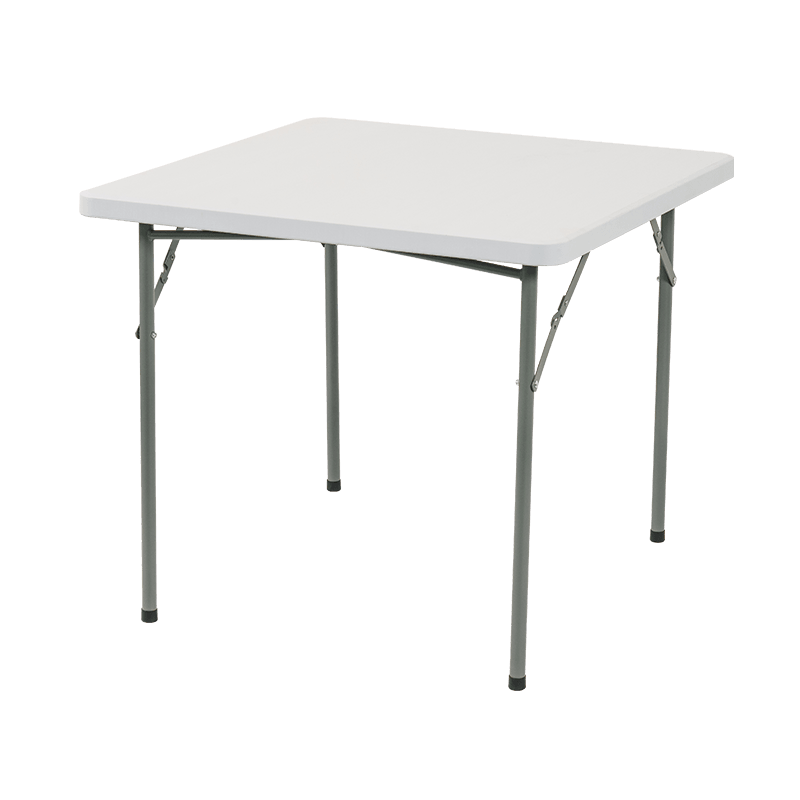
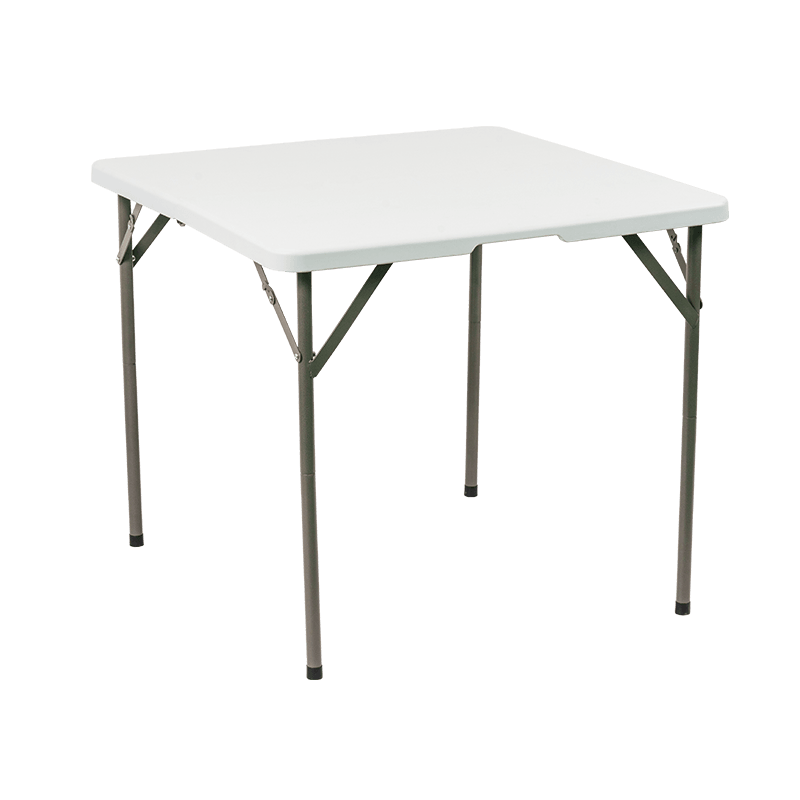
Manji sklopivi stolovi - obično 34 × 34 inča ili 36 × 36 inča - koriste se za kartanje, mala okupljanja ili kao sporedne stanice. Koktel sklopivi stolovi su viši (visina šanka, 40-42 inča) i koriste se na stojećim prijemima i događanjima za umrežavanje.
Sklopivi stolovi podesive visine
Oni omogućuju podešavanje visine nogu - obično između 24 i 36 inča - da služe kao stol za blagovanje, stol za aktivnosti ili niska radna površina. Korisno za višenamjenske prostore, dječje aktivnosti i potrebe pristupačnosti.
Stolovi za seminare i treninge
Uži od stolova za bankete (obično duboki 18–24 inča), dizajnirani posebno za raspored učionica ili konferencijskih soba gdje ljudi sjede samo s jedne strane. Standardne duljine od 6 stopa ili 8 stopa omogućuju slaganje više stolova u redove ili U-oblike.
Plastični sklopivi stolovi: zašto dominiraju tržištem
Među svim materijalima za sklopivi stol — drvo, čelik, aluminij i plastika — plastični sklopivi stolovi čine najveći udio u globalnoj prodaji među stambenim, poslovnim i institucionalnim kupcima. Njihova dominacija dolazi od kombinacije praktičnih prednosti koje nijedan drugi materijal ne može u potpunosti ponoviti.
Od čega su napravljeni plastični sklopivi stolovi
Većina plastičnih sklopivih stolova ima ploču izrađenu od polietilen visoke gustoće (HDPE) ili polietilen lijevan puhanjem — termoplastika poznata po otpornosti na udarce, kemijskoj otpornosti i UV stabilnosti. brge su obično čelične (obložene prahom za otpornost na koroziju) ili aluminija. Premium modeli koriste konstrukciju oblikovanu puhanjem s dvostrukom stijenkom koja stvara šuplju unutrašnjost za optimizaciju čvrstoće i težine.
Ključne prednosti plastičnih sklopivih stolova
- Lagan — standardni plastični sklopivi stol od 6 stopa težak je 15–22 lb (7–10 kg), u usporedbi s 25–35 lb za usporedivi sklopivi stol s drvenom pločom.
- Otporan na vlagu — plastične ploče se neće iskriviti, nabubriti ili istrunuti kada su izložene prolijevanju ili vlazi, za razliku od sklopivih stolova od MDF-a ili šperploče.
- Jednostavan za čišćenje — neporozne HDPE površine mogu se obrisati sapunom i vodom ili dezinficirati standardnim sredstvima za čišćenje, što ih čini idealnim za posluživanje hrane, zdravstvenu njegu i škole.
- Nosivost — kvalitetan plastični sklopivi nosač stolova 750–1000 lb (340–454 kg) statičko opterećenje , dovoljno za gotovo sve aplikacije za posluživanje hrane, izlaganje i opću upotrebu.
- Isplativo — Maloprodajne cijene za standardni plastični sklopivi stol od 6 stopa kreću se od 40 do 120 USD, znatno ispod usporedivih drvenih ili aluminijskih modela.
- Mogućnosti boja — dostupni u bijeloj, bež, crnoj, sivoj i boji drva, omogućujući im da se stapaju s različitim estetikama događaja.
Ograničenja plastičnih sklopivih stolova
- Vizualno manje luksuzni od drvenih ili metalnih stolova - općenito se ne koriste kao gole ploče stolova za formalne elegantne postavke za objedovanje bez stolnjaka.
- Plastične površine mogu se ogrebati tijekom teške, ponovljene uporabe, iako je to prvenstveno kozmetičko.
- Ploče od plastike niže kvalitete (tankih stijenki, brizgane) mogu se primjetno saviti pod koncentriranim opterećenjem — specifikacija debljine ploče i konstrukcije bitna je pri usporedbi modela.
Vodič za veličinu plastičnog sklopivog stola
| Veličina | Dimenzije (približno) | Sjedenje (obje strane) | Najbolja upotreba |
|---|---|---|---|
| 4 stope | 48 × 24 × 29 in | 2–4 osobe | Mali događaji, izlozi dobavljača, kućna uporaba |
| 5 stopa | 60 × 30 × 29 in | 4-6 osoba | Srednji događaji, obiteljska okupljanja |
| 6 stopa | 72 × 30 × 29 in | 6-8 osoba | Banketi, konferencije, posluživanje hrane |
| 8 stopa | 96 × 30 × 29 in | 8-10 osoba | Veliki događaji, sajmovi, učionice |
| Okruglo 60 in | 60 u promjeru × 29 in | 6-8 osoba | Vjenčanja, domjenci, svečani događaji |
Plastični sklopivi stolovi za vanjsku upotrebu: što ih čini drugačijima
Nisu svi plastični sklopivi stolovi napravljeni za vanjsku upotrebu. An vanjski plastični sklopivi stol mora podnijeti stalnu izloženost sunčevoj svjetlosti, kiši, vjetru i temperaturnim promjenama koje bi degradirale standardne unutarnje modele unutar sezone. Razlika se svodi na specifikaciju materijala, konstrukciju nogu i površinsku obradu.
Gornji dijelovi HDPE-a stabilizirani na UV zračenje
Plastični sklopivi stolovi namijenjeni za vanjsku uporabu koriste HDPE s dodatkom UV stabilizatori i aditivi za čađu ili UV-apsorpciju koji sprječavaju fotodegradaciju. Standardne plastične ploče za unutarnje prostore izblijedjet će, požutjeti i postati lomljive nakon duljeg izlaganja UV zračenju — ponekad unutar 1-2 sezone. UV-stabilizirani vrhovi održavaju boju i strukturni integritet za 5–10 godina ili više uz normalnu upotrebu na otvorenom.
Nožni okviri otporni na koroziju
Čelične noge na vanjskim sklopivim stolovima moraju biti zaštićene od hrđe. Kvalitetni vanjski modeli koriste pocinčani čelik ili čelik premazan prahom s minimalnom debljinom sloja od 2–3 mil . Premium vanjski stolovi koriste aluminijske noge koje su prirodno otporne na koroziju i smanjuju ukupnu težinu. Noge trebaju imati gumene ili najlonske kapice kako bi se spriječio prodor vode i zaštitile površine.
Površinska drenaža i otpornost na vjetar
Neki vanjski plastični sklopivi stolovi imaju blago teksturirane ili mat površine koje smanjuju odsjaj i poboljšavaju prianjanje u mokrim uvjetima. Za izložena mjesta, teži stolovi (22–30 lb) otporniji su na pomicanje vjetra bolje od ultralaganih modela. Stolovi koji se koriste na travi ili neravnom terenu imaju koristi od podesivih nivelatora za noge — značajka koja je sve dostupnija na komercijalnim modelima za vanjsku upotrebu.
Najbolji slučajevi korištenja na otvorenom
- Dvorišne zabave i roštiljanje — jednostavno ispiranje crijevom nakon upotrebe; otporan na prolijevanje hrane i pića.
- Kampiranje i prtljažnik — lagani modeli (15–18 lb) sklopivi u kompaktno pakiranje koje stane u prtljažnik automobila.
- Tržnice i događanja prodavača na otvorenom — Modeli od 6 stopa i 8 stopa služe kao površine za izlaganje proizvoda i transakcije koje se mogu postaviti i raščlaniti za manje od 60 sekundi.
- Školska i društvena događanja na otvorenom — skladištenje u rasutom stanju, slaganje na kolica, lako transportiranje i brisanje.
- Trajno vanjsko skladište — Stolovi stabilizirani na UV zračenje mogu se skladištiti na otvorenom pod poklopcem bez degradacije materijala, za razliku od drvenih sklopivih stolova koji zahtijevaju unutarnje skladište.
Usporedba materijala sklopivog stola: plastika vs. drvo vs. aluminij
| Faktor | Plastika (HDPE) | Drvo/MDF | Aluminij |
|---|---|---|---|
| Težina (stol od 6 stopa) | 15–22 lb | 25–35 lb | 12–18 lb |
| Otpornost na vodu / vlagu | Izvrsno | Loše–prilično | Izvrsno |
| UV / vanjska trajnost | Dobar (UV-stabiliziran) | Jadno | Izvrsno |
| Površinska estetika | Funkcionalan | Premium izgled | Industrijski / čisti |
| Cijena (stol od 6 stopa) | 40–120 dolara | 80–200 dolara | 100–250 dolara |
| Lakoća čišćenja | Vrlo jednostavno | Umjereno | Vrlo jednostavno |
| Najbolje za vani | Da (UV-stabiliziran) | No | da |
Za većinu kupaca - bilo da opremaju tvrtku za iznajmljivanje događaja, društveni centar ili dvorište - plastični sklopivi stolovi pružaju najbolju ravnotežu cijene, težine, otpornosti na vremenske uvjete i jednostavnosti održavanja . Aluminijski rubovi prednjače samo tamo gdje maksimalne uštede na težini opravdavaju 2x veću cijenu.
Kako odabrati pravi sklopivi stol za svoje potrebe
Uz toliko dostupnih opcija, sužavanje pravog sklopivog stola svodi se na četiri praktična pitanja:
- Gdje će se koristiti? — Za samo vanjsku ili mješovitu unutarnju/vanjsku upotrebu odaberite UV-stabiliziranu plastičnu ploču s praškasto obloženim ili aluminijskim nogama. Za unutarnju upotrebu, bilo koji materijal je prikladan, a ploče s drvenom jezgrom nude dovršeniji izgled.
- Koliko ljudi treba sjediti? — Koristite gornji vodič za veličinu. Banketni stol od 6 stopa najsvestraniji je izbor za sve namjene, sa 6 do 8 sjedećih mjesta po stolu, dok odgovara standardnim rasporedima događaja.
- Koliko često će se premještati? — Za čest transport dajte prednost težini: potražite plastične sklopive stolove ispod 20 lb za jednostavno rukovanje jedne osobe. Ako se stolovi premještaju na veliko, odaberite modele koji su kompatibilni sa sklopivim kolicima za stol (obično se prodaju zasebno, drže 10-15 stolova).
- Kakav će teret nositi? — Za standardno posluživanje hrane i sjedenje, dovoljan je bilo koji stol s težinom od 500 lb ili više. Za izlaganje teške opreme, robe za sajmove ili industrijsku uporabu navedite tablice s ocjenom Statičko opterećenje 750–1000 lb .
Briga o plastičnim sklopivim stolovima za produljenje životnog vijeka
Plastični sklopivi stolovi zahtijevaju malo održavanja, ali nekoliko postupaka značajno produljuje njihov životni vijek — posebno za vanjske modele koji su izloženi atmosferilijama tijekom više godišnjih doba.
- Očistite nakon svake upotrebe — obrišite blagom otopinom sapuna i vode. Za dezinfekciju, razrijeđena otopina izbjeljivača (1 žlica izbjeljivača po galonu vode) sigurna je na HDPE bez oštećenja površine.
- Čuvati presavijeno i naslagano — složite ne više od 10–12 stolova u visinu kako biste izbjegli iskrivljenje donjeg stola pri dugotrajnom stiskanju. Koristite kolica za skladištenje i transport kako biste smanjili pritisak na pod.
- Zaštitite šarke nogu — povremeno nanesite suhi lubrikant (silikonski sprej) na šarke nogu kako biste spriječili kruti rad i koroziju, osobito na stolovima pohranjenim u vlažnim ili vanjskim okruženjima.
- Izbjegavajte povlačenje — povlačenje sklopljenog stola po uglovima napreže plastiku na mjestima pričvršćivanja šarki. Uvijek nosite ili koristite kolica.
- Čuvati izvan izravnog UV zračenja kada je to moguće — čak i stolovi stabilizirani na UV zračenje imaju koristi od pokrivenog skladištenja (šupa ili cerada) tijekom duljih razdoblja nekorištenja, usporavajući degradaciju površine i dulje zadržavajući boju.
Izložbeni proizvodi izložbeni